
Lucas McKinney Talks Oysters and The Gulf
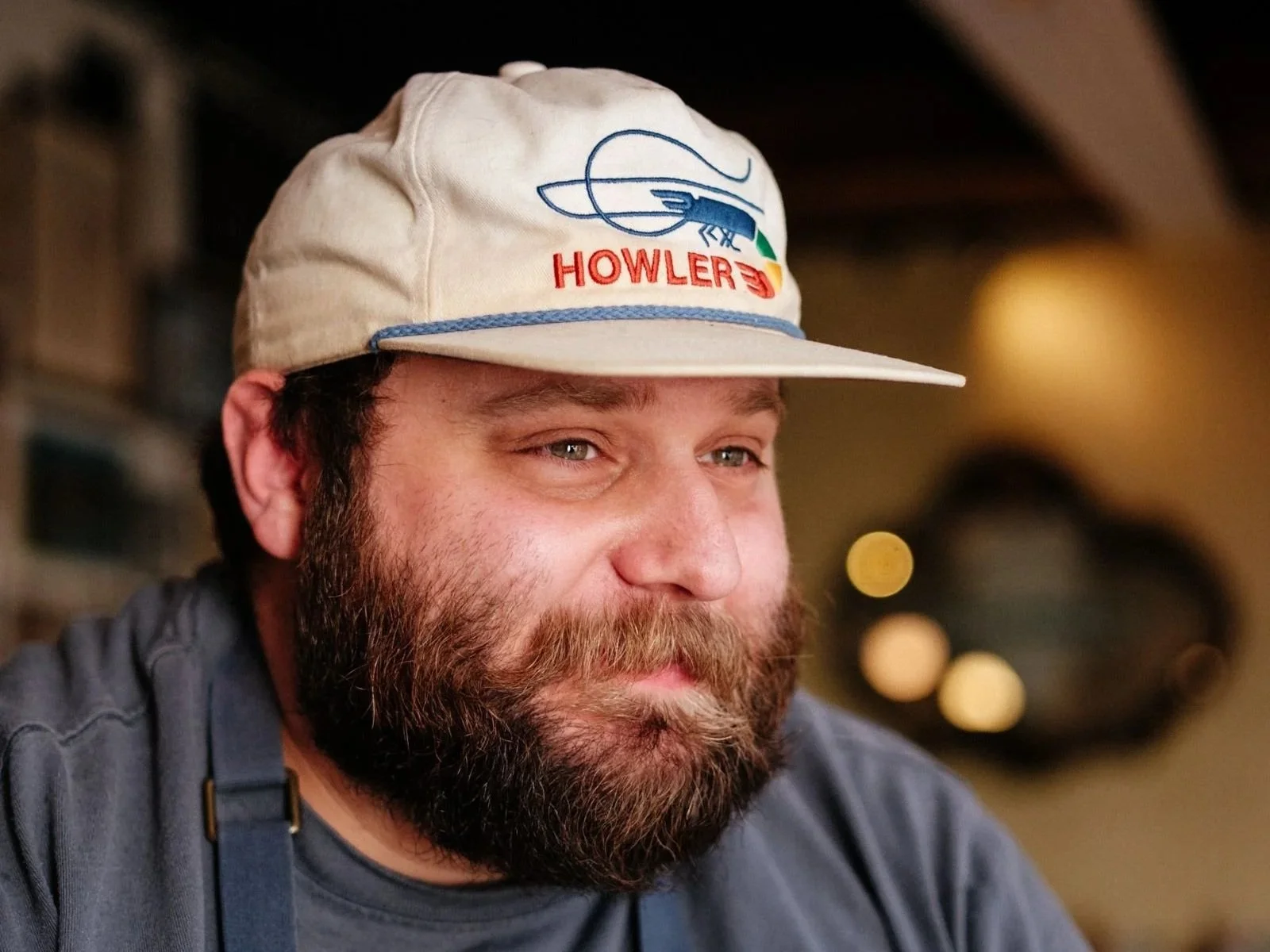
Etowah Collective (EC): Tell me a little about yourself. Introduce yourself to Memphis.
Lucas McKinney (LM): I like to think of myself as a son of the Gulf. I grew up in a large family in southern Mississippi, where food was always tied to family, gathering, and place. After leaving home and going to Ole Miss, I was trying to figure out my way in the world, and cooking was not an obvious path at first.
Chef Kelly English, who is from Memphis, was a big influence. Watching what he was doing made me realize that the food I grew up eating had value and could be honored in a professional kitchen. A lot of what was being cooked felt like home, and it helped me better understand my upbringing and how much it shaped the way I cook.
I spent time at City Grocery and eventually moved to Houston to push myself. I wanted to be uncomfortable, to learn from other cultures, and to see what it meant to work in a larger, more demanding food city. While in Houston, I worked under Chris Shepherd, that experience challenged me and taught me discipline and perspective.
When I opened Josephine’s, it felt like coming home creatively. I was able to cook the food I grew up on, but with more intention and respect. At the heart of my work is community. Food to me is about family and gathering around what the Gulf gives us. I am always chasing that nostalgic feeling of catching fish, calling people over, and having a fish fry. My goal is to take that feeling and translate it to people who may not have grown up that way, so everyone can feel connected to the place and the product.
EC: How does your background continue to influence your approach to food?
LM: Respect for the Gulf is at the core of everything I do. As you move through your career as a chef, you want to learn as much as possible and be exposed to different ways of doing things. At some point, I had to make a switch in my head not to rely on Gulf food simply because it was familiar to me. I want to celebrate it because it is exceptional. Being raised on this food gives me a responsibility to treat it with care and intention. I love building relationships with the people who make it possible, whether that is fishermen, farmers, or oystermen. Those relationships shape the food as much as the recipes do.
EC: Let’s talk about Josephine’s and any ongoing projects you are excited about.
LM: Josephine’s has become a reflection of where I am now. It is grounded in Gulf seafood, but it is also collaborative and community-focused. One project I am especially excited about is Backyard Boil. It is about recreating that casual, communal experience of cooking outside, eating together, and slowing down. It is less about perfection and more about connection. Good product, good people, and letting the food speak for itself.
EC: What sources do you use for continued inspiration? Where does inspiration find you?
LM: Inspiration usually starts with what is coming in the door. What our partners are harvesting, what is in season, and what looks great that week. The product leads the conversation. When you work closely with producers, the menu almost writes itself.
EC: Any notes on your approach to the menu for the Etowah Dinner Series?
LM: I am really excited to feature Texas farm raised Gulf oysters and help people understand how good that product really is. There is a lot of quality and nuance there that does not always get the attention it deserves.
I am also excited about working with Tasso ham, brined bone-in cuts. Being a seafood-focused restaurant means other proteins do not always get the spotlight, and I enjoy giving them that moment. Home Place Pastures is especially meaningful to me because I sourced from them when I was at City Grocery, so bringing that relationship into this dinner feels full circle.
EC: Tell me about a significant food memory of yours. When did it click that this was special?
LM: There was a moment early on when I realized I was pulling knowledge from other parts of my life and applying it in the kitchen. Teamwork, rhythm, problem-solving, and communication all came together through cooking. The camaraderie of the kitchen really pulled me in. The line feels like an orchestra, with everyone playing a role and relying on each other. That bond you build with people in a kitchen is powerful, and that is when I knew this was what I wanted to do.